We Are Just Kicking The Can Down The Road Til We Can’t Anymore - Japan’s Yen Crisis
Key takeaways from the video:
U.S. Monetary Policy Impact: Utilizing the Fed’s repo facility essentially expands dollar liquidity, which can increase domestic U.S. inflationary pressures.
Fed Rate Expectations: Financial pressure from currency and bond market volatility gives the Federal Reserve less leeway to raise interest rates. (If inflation really starts getting away from us again like it did in 2022 the US government will have limited options when it comes to raising rates. Inflation could run rampant and unchecked.)
U.S. Vulnerability: Foreign holdings of U.S. debt remain an "Achilles' heel" for the American financial system—instability in foreign bond portfolios directly threatens U.S. stock markets and retirement accounts. (Forced liquidity needs of foreign governments.)
I used to have a boss who loved discussing debt markets and what really backs the U.S. dollar. Some argue it is backed by the military, while others—myself included—point to the petrodollar, as most global energy is traded in U.S. currency. Ultimately, whether it is dollars, yuan, yen, or real, fiat currencies are just government paper. They aren't backed by tangible assets; they are unbacked promises. Historically, every paper currency loses purchasing power over time, gradually trending toward its intrinsic value of zero.
What would I do if I was a government or institution right now? Buy gold. The can can only be kicked so far down the road til something pops. The republicans and democrats both are extremely fiscally irresponsible. There is no will in these parties to balance a budget or be good stewards with tax dollars.
Outside of buying gold I would invest in things that are more “value” based or tangible. Below are some examples.
Energy: oil/gas, wind, solar, nuclear, geo thermal, hydro electric.
Industrial Metals: copper, lithium, aluminum, nickel, iron ore, steel, cobalt, uranium, titanium etc.
Agriculture: farmland that produces food for the masses.
Real Estate: build new building, new roads, new bridges, new infrastructure that serves a use.
Consumer staples: companies producing essential goods like food, sanitation, healthcare, personal care/household products, discount retailers like Walmart, Kroger, and Costco
Manufacturing Capacity: you want to invest in the infrastructure that builds things and makes things that are needed. Think semiconductors, aerospace, defense, and space systems, energy storage and grid hardware, medical technology
Sector List Simplified: Energy, Basic Materials & Mining, Real Estate, Industrials. I would look towards these sectors in a high inflationary environment when the US dollar is losing its status as the world’s reserve currency. I am not saying the US dollar will lose its status of the world’s reserve currency now but the trendline is pointing towards that if things don’t change drastically in Washington.
When the bubble pops and it eventually will you as a society want things that are useful and needed by the masses. If we have a depression level 30s style decade or multi decade event where you have people homeless and in food lines you want the necessities in place. I for one think we are eventually headed to some massive depression level event and I think that is going to start in the sovereign debt markets. But if we do not have one and it is a slow decline of the dollar and oil starts to be traded in something else other than dollars or there is some forced treasury sell you want to have an economy that is based on value and real utility. I love tech, tech is awesome, it is cool, and interesting but if we have a depression level event tech is going to suffer greatest. Higher growth companies, which are usually technology companies always do in times of economic turmoil. Technology companies trade more on potential and rely more on growth than say a value based company. No growth? negative growth? These tech companies will get hit the hardest.
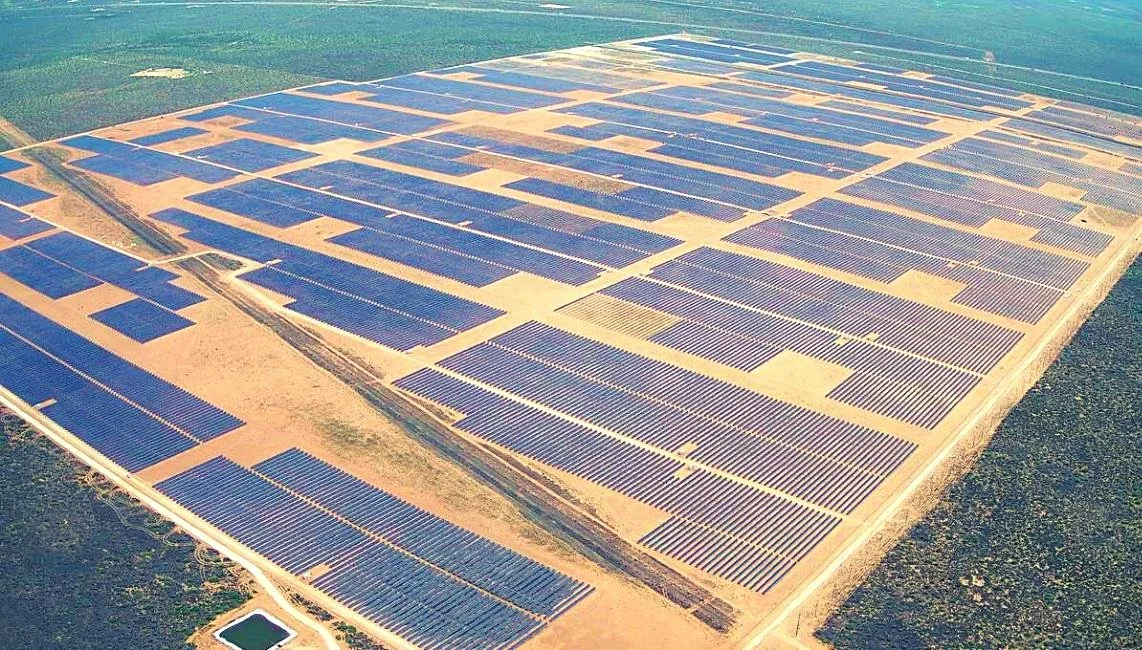
Solar
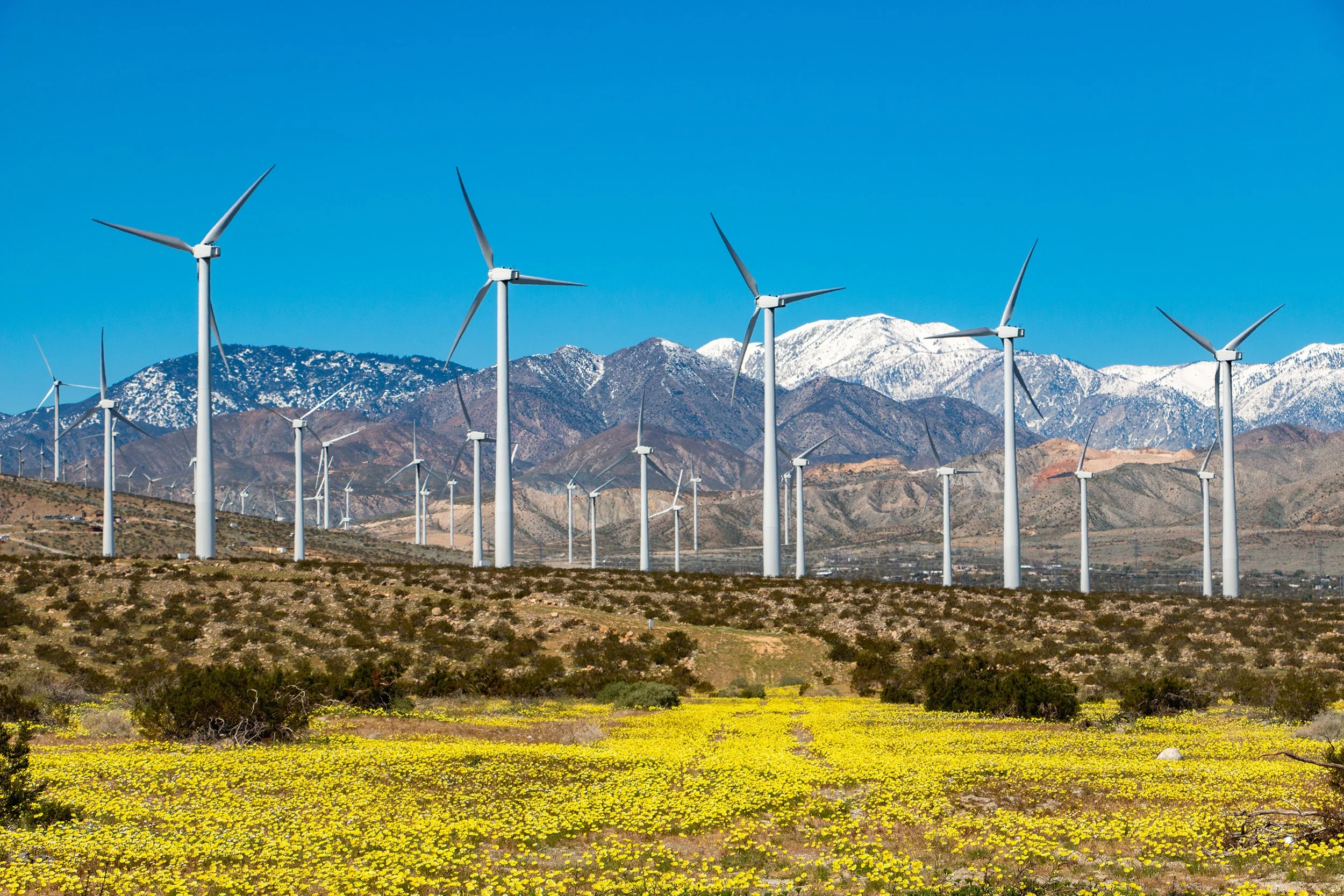
Wind
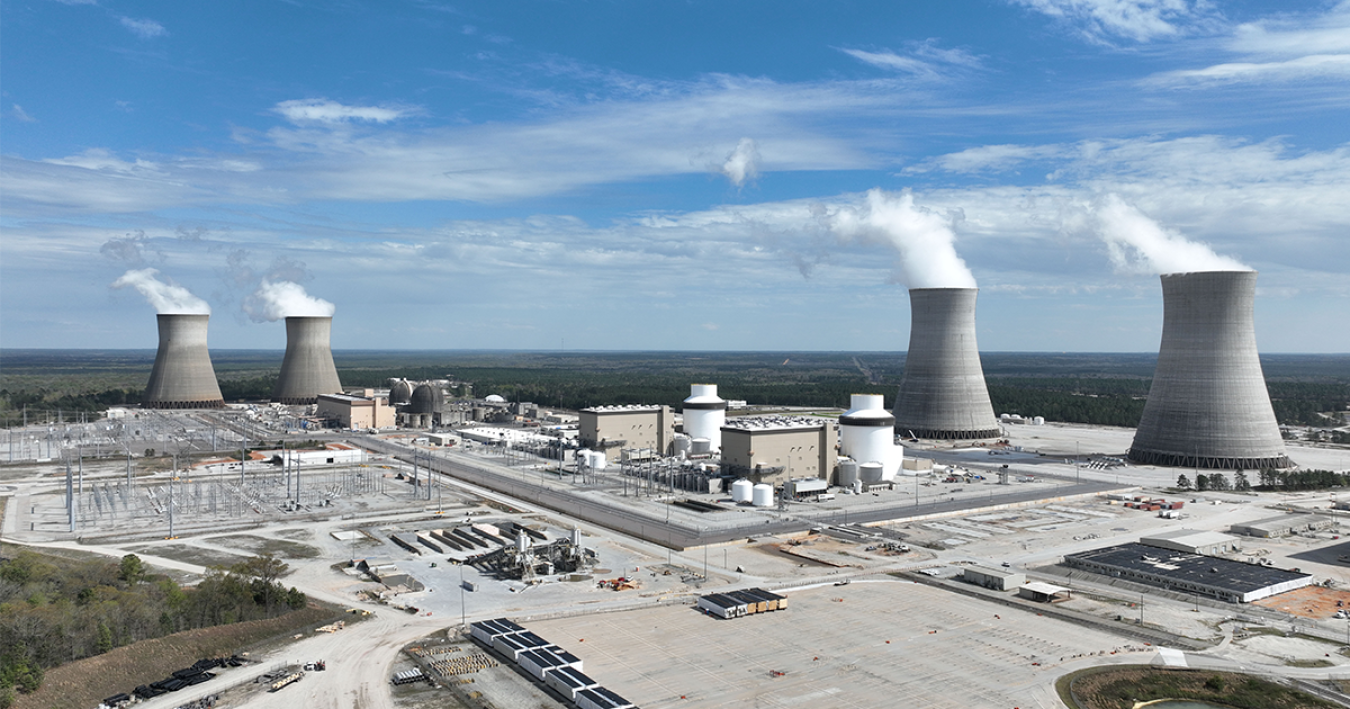
Nuclear
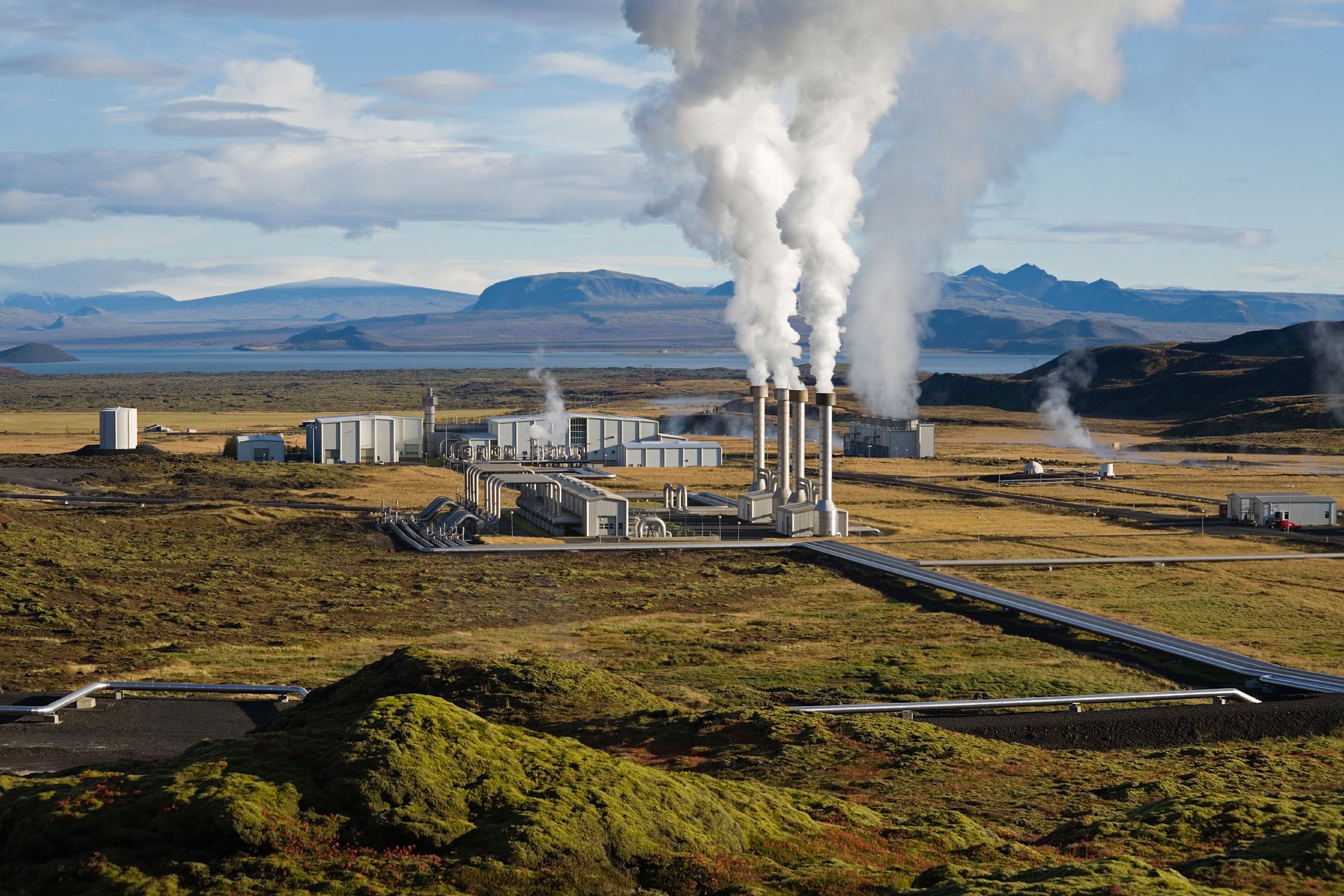
Geothermal
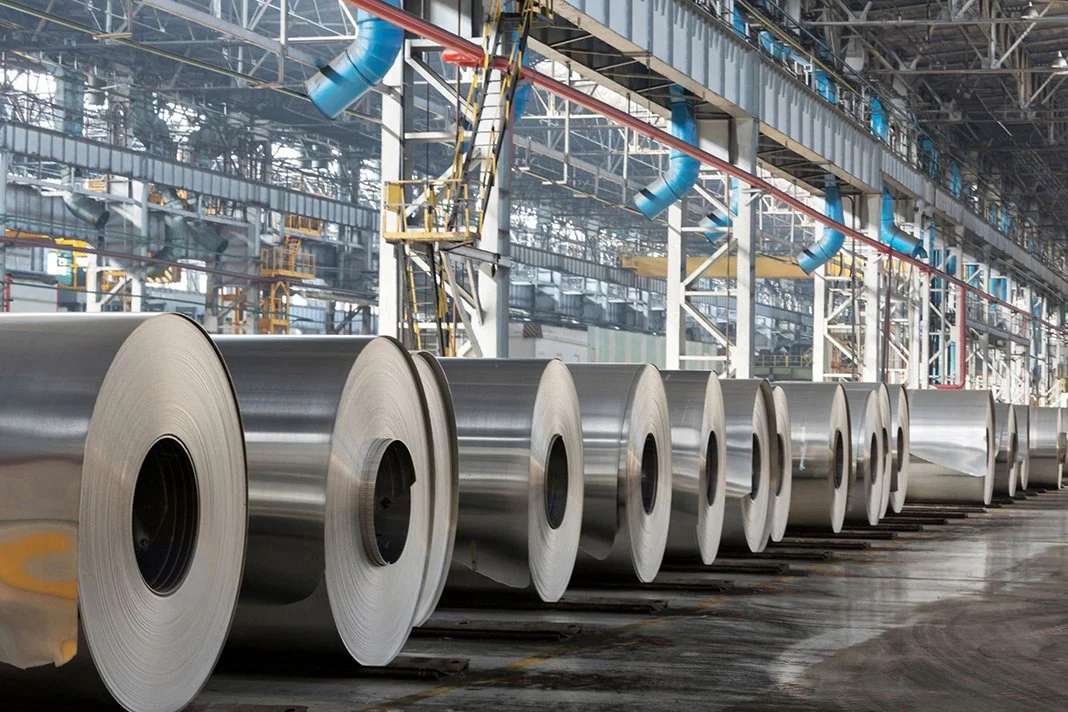
Industrial Metals

Agriculture
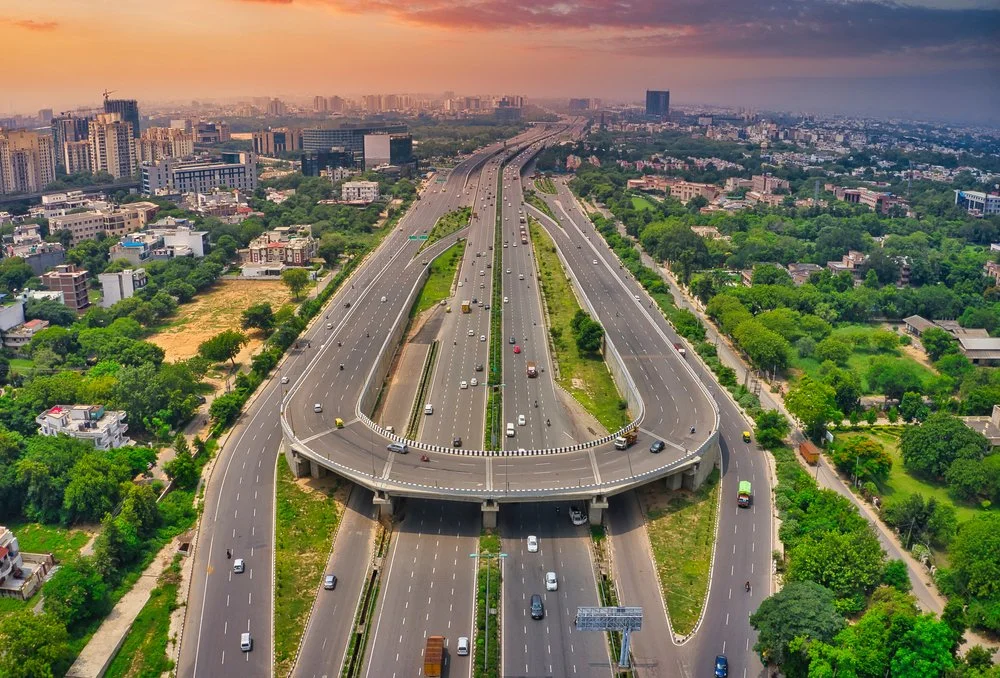
Infrastructure Development
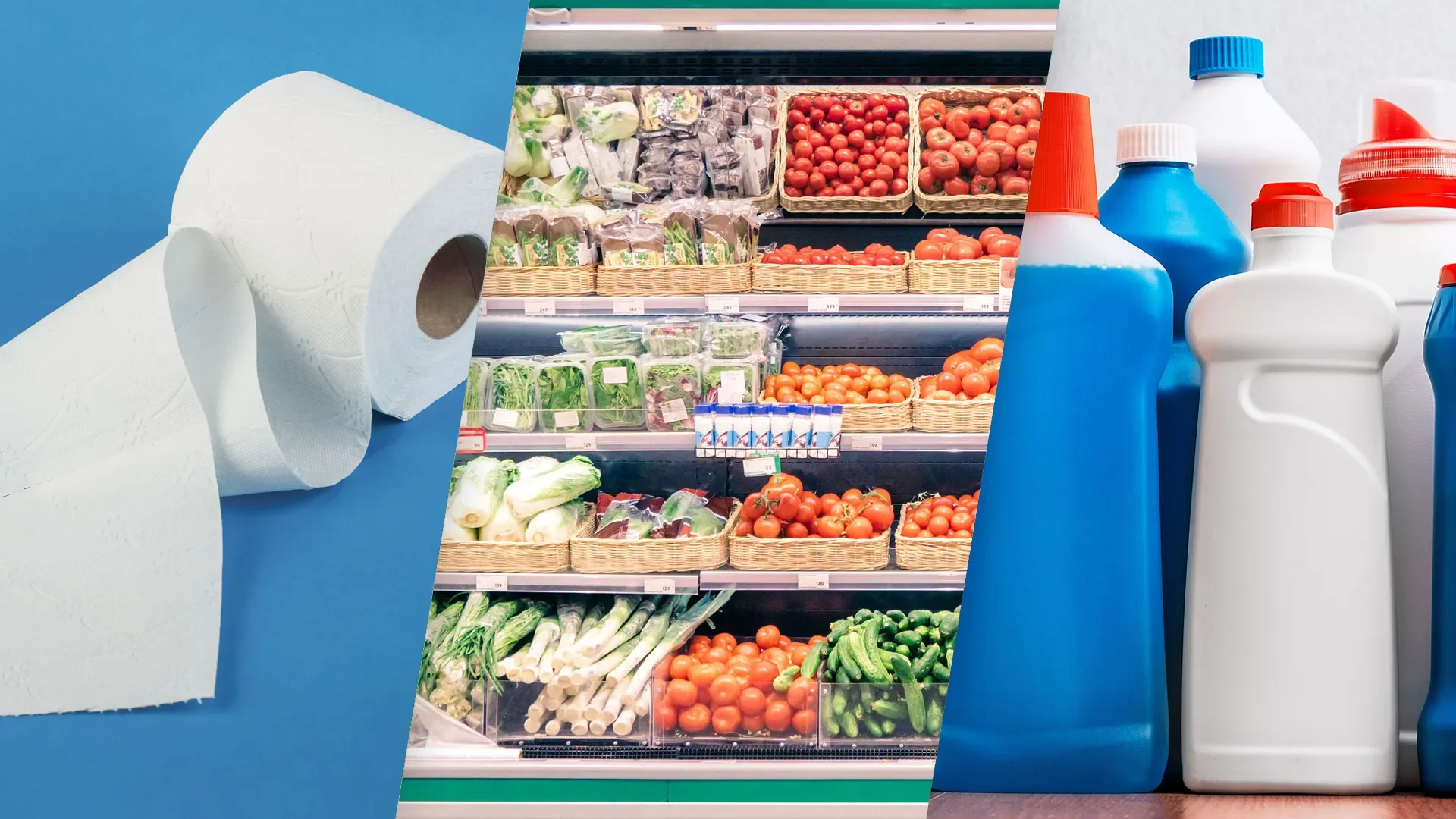
Consumer Staples aka Necessities
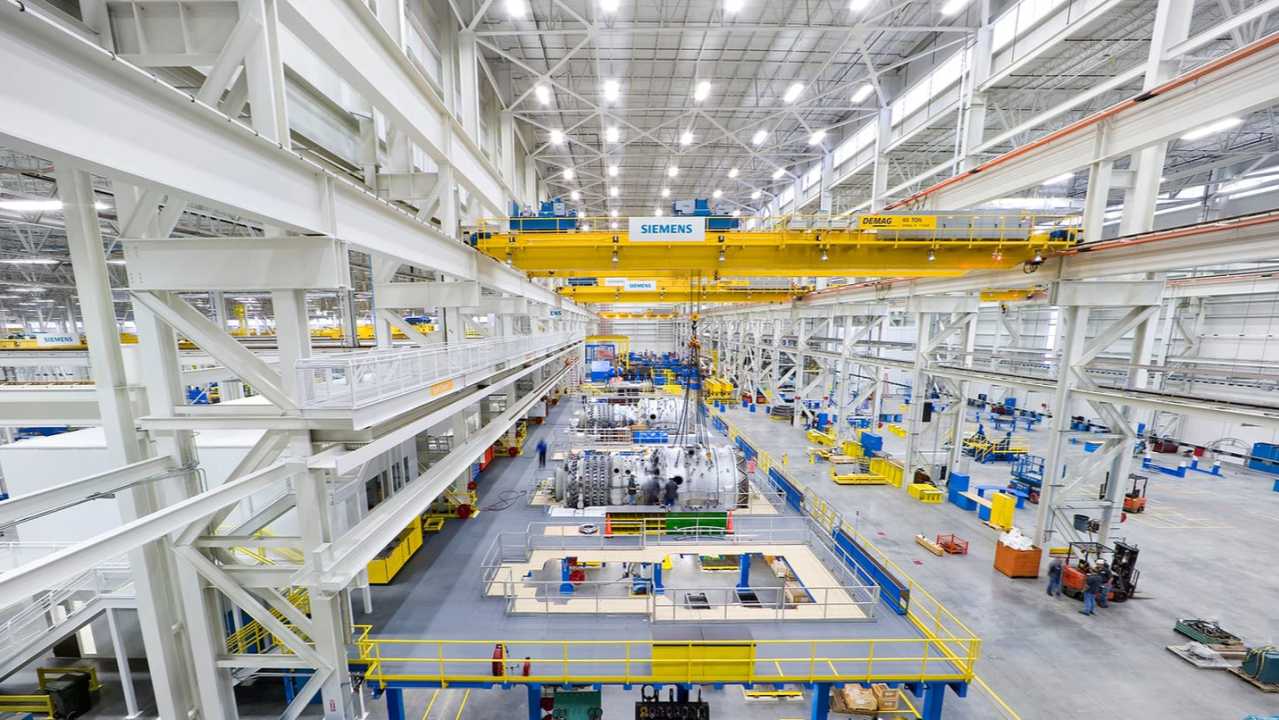
Manufacturing Capacity. I think one of the worst decisions made in the last 50-60 years was to offshore a majority of our manufacturing overseas. Outside of the lost jobs, broken down communities, and lack of hope that brought in it created a national security vulnerability. I can’t think of anything more stupid than giving another country power over our pharmaceutical production as example or our semiconductors.
Money actually has to be backed up by something. An investment actually has to be backed up my something. We as American’s got used to cheap money for about 40 years starting in 1982. That lasted until 2022 when rates were raised due to inflation. We are in a completely different world from 2019 and a separate universe from the early 80s. We have different problems and different opportunities at our doorstep. Things can turn around but it will take a joint effort from Republicans and Democrats…which to be honest I am not exactly confident on a joint effort happening. It would require egos to be set aside, name calling to stop, and a willingness to work together for the common good of the American people. The biggest threat in my opinion is not from abroad but internally.
Can the US people come together to fix the problems we are facing?
Can the federal government get their spending under control and start to pay down the debt?
Can the US look beyond 4-8 year election cycles and take a 30 year outlook into consideration?
What kind of society do we want to leave our children and our children’s children?