Hidden in Plain Sight: How Criminal Networks Move Drugs
Theme
How organized crime exploits legitimate supply chains, transportation networks, and global commerce to move illicit drugs across borders.
Introduction
When people think about drug trafficking, they tend to picture cartel members, border crossings, and dramatic police busts. What gets less attention is the logistics behind the business: how drugs move from one country to another, how they pass through commercial transportation networks, and how criminal organizations get their products into markets around the world. Moving drugs on a large scale is not a simple operation. It requires suppliers, transportation, storage, distribution networks, and people who can coordinate each stage. In many respects, the logistics resemble those of a legitimate business. The obvious difference is that the products are illegal and the people involved may rely on corruption, deception, and violence to keep the operation running. One of the more interesting aspects of the global drug trade is how it intersects with ordinary commerce. Every day, cargo ships, trucks, aircraft, and delivery services move enormous quantities of legitimate goods across the world. Criminal organizations have found ways to exploit parts of this system, sometimes hiding illicit shipments among legitimate cargo and sometimes taking advantage of weaknesses in the supply chain. That creates a difficult problem for authorities. International trade depends on moving goods efficiently, and inspecting every shipment in detail simply isn't practical. Criminal networks operate within that reality, looking for opportunities to move drugs without attracting attention. In this article, we'll look at the methods criminal organizations use to transport and conceal drugs, the people and networks involved, and the challenges authorities face in stopping them. The objective is to understand how the system works, not just to focus on the drugs themselves.
Section 1: The Global Supply Chain
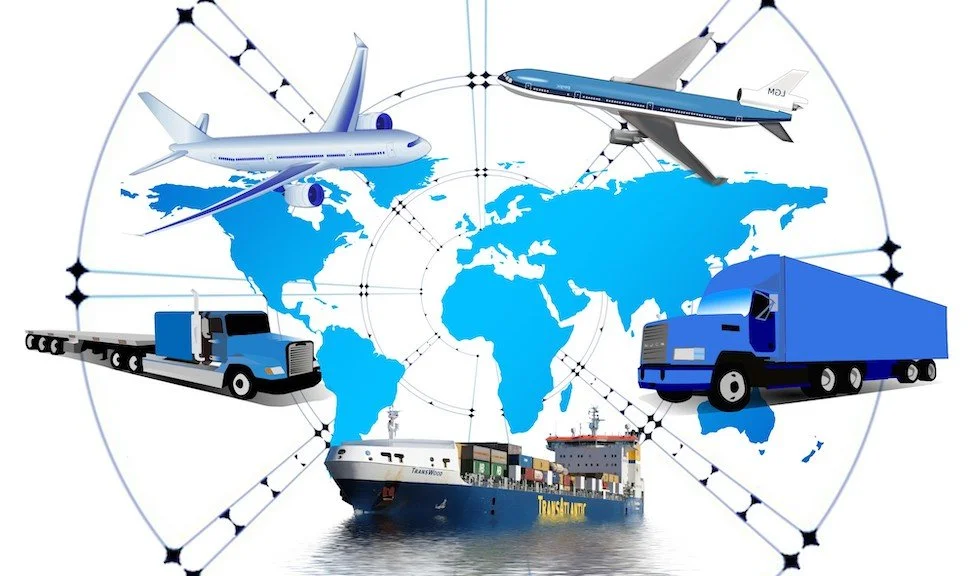
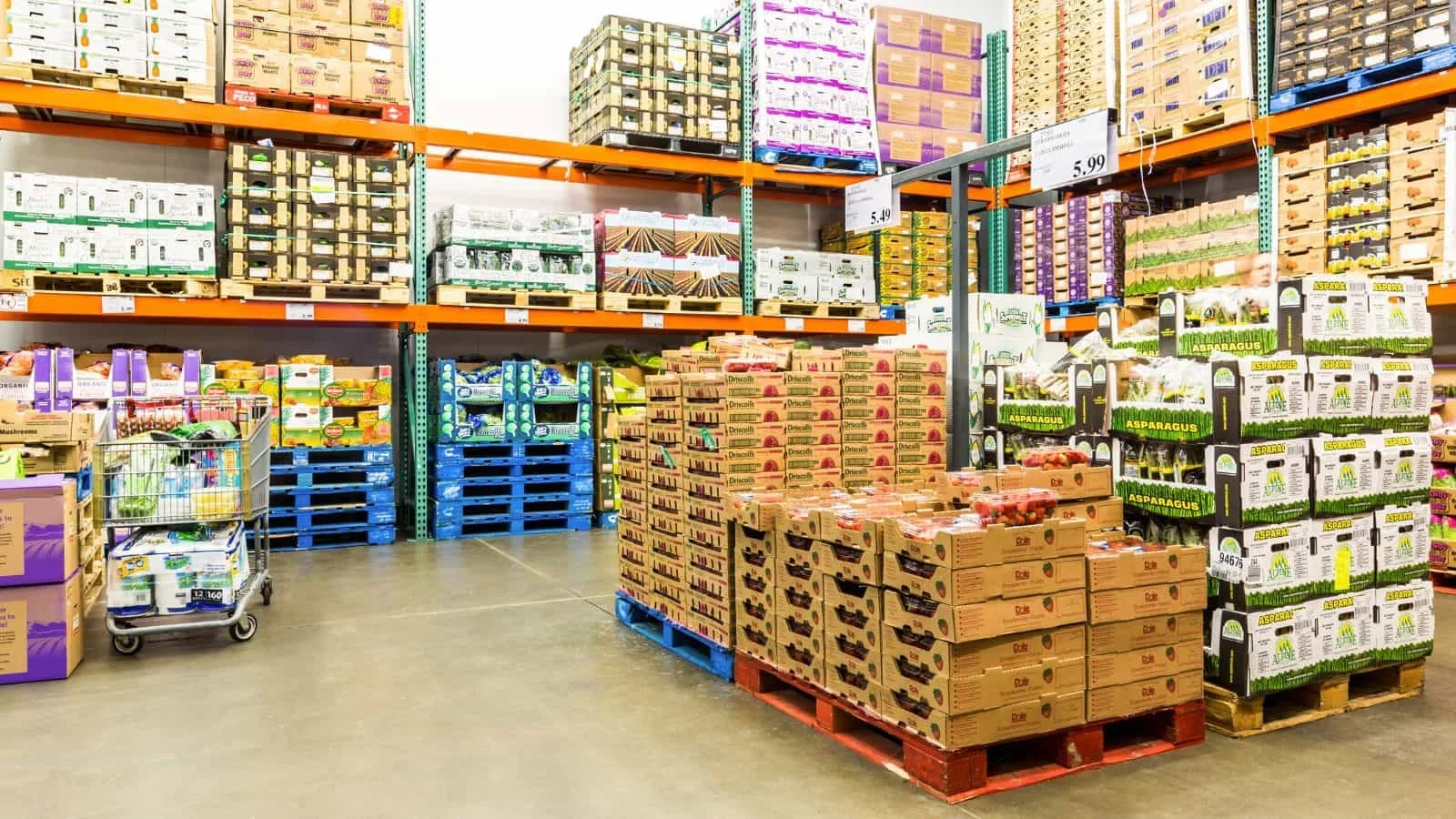
International trade moves on an enormous scale. A single shipping port can handle thousands of containers in a day, with goods arriving from manufacturers, farms, mines, and distribution centers around the world. Most of these shipments are entirely legitimate, but the sheer volume of trade creates opportunities for criminal organizations looking to move illegal products across borders. Drug traffickers don't need to build their own global transportation networks from scratch. They can exploit infrastructure that already exists, from commercial shipping and trucking to warehouses and freight-forwarding companies. In some cases, legitimate businesses are unaware that their shipments or facilities have been used by criminals. In others, traffickers rely on people willing to help them bypass normal procedures. Shipping containers are a good example of the challenge. They are designed to make international trade faster and more efficient, allowing goods to move between ships, trains, and trucks without being unloaded at every stage. A container might pass through several companies and transportation systems before reaching its final destination. That efficiency is good for business, but it also makes supply-chain security a complicated problem. The issue isn't limited to shipping containers. Air cargo, commercial trucking, railways, and postal services all move large volumes of goods every day. Criminal organizations have exploited each of these channels, adapting their methods to different markets and transportation systems. There is also an important distinction between a shipment being used to transport drugs and a company knowingly participating in trafficking. A legitimate exporter may have no idea that its cargo has been compromised. A shipping employee might be bribed or coerced into helping criminals. In other cases, a business or intermediary may be directly involved. Those differences matter when investigators try to determine who is responsible and how a trafficking network operates. For criminal organizations, the attraction is straightforward: existing commercial infrastructure provides access to established routes, transport services, and international markets. For authorities, the challenge is figuring out which shipments warrant closer scrutiny without bringing legitimate trade to a standstill. This is one reason drug interdiction is more complicated than simply searching vehicles at a border. The problem extends across countries, companies, ports, and transportation networks. Stopping one shipment may lead to an arrest or seizure, but identifying the people and relationships behind the operation can be much more difficult. The global drug trade has adapted to an economy built around moving goods quickly and efficiently. Understanding that relationship between legitimate commerce and criminal activity is essential to understanding how drugs reach markets around the world.
Section 2: Hidden in Plain Sight: Concealment and Transportation
There is no single way to move drugs across international borders. The methods vary depending on the substance, the quantity involved, the destination, and the transportation networks available. Some shipments involve relatively small amounts carried by individuals, while others involve hundreds or thousands of kilograms moving through commercial supply chains. One of the most important distinctions is whether traffickers conceal drugs within legitimate goods or exploit a legitimate shipment without the knowledge of the company responsible for it. Both approaches have been documented, and they present different challenges for investigators.
Shipping Containers and Commercial Cargo
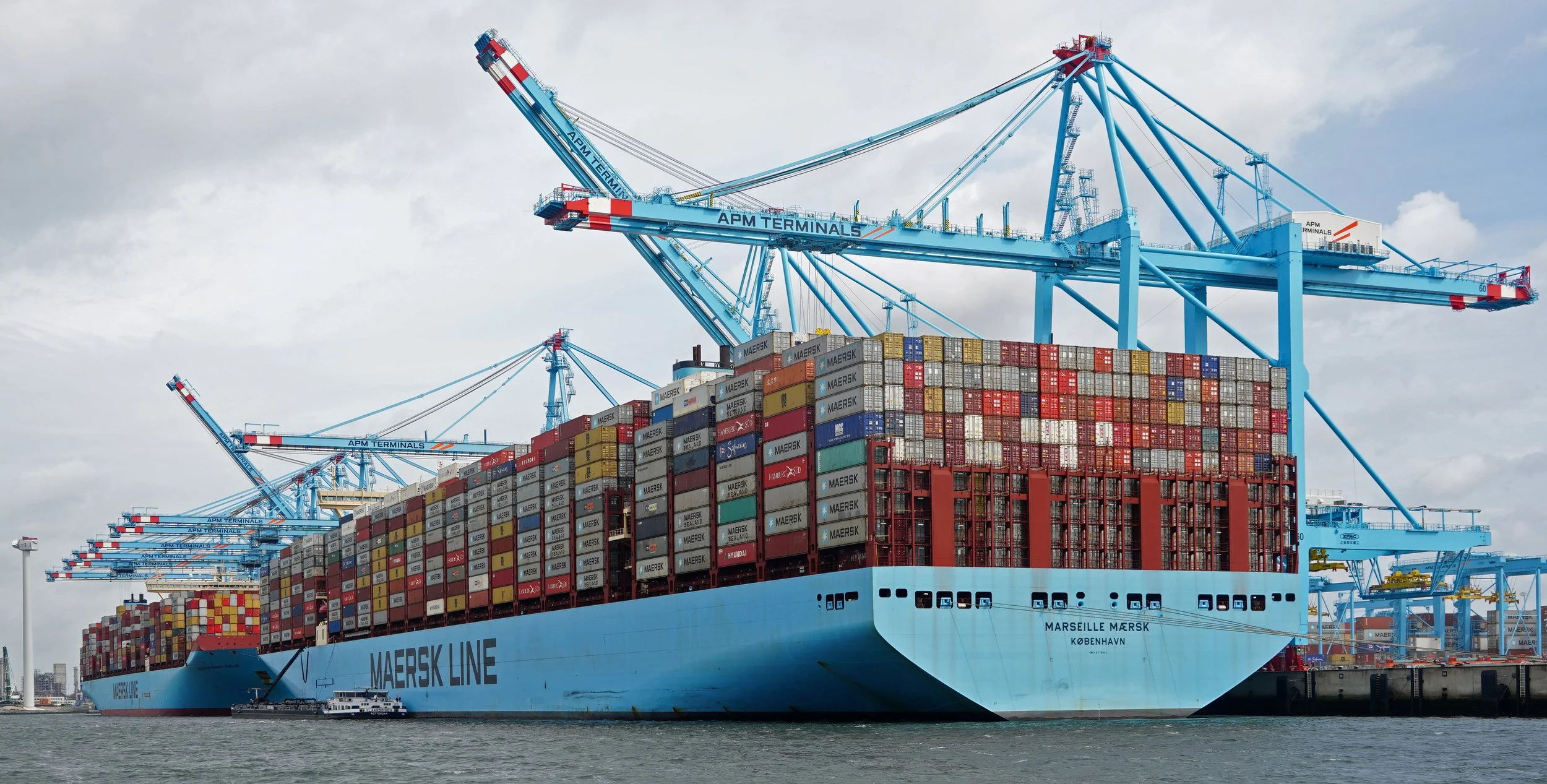
Maritime shipping is a major part of the international drug trade, particularly for cocaine moving from Latin America to markets in Europe and elsewhere. Cargo ships transport enormous quantities of legitimate merchandise, making container security a significant challenge for customs authorities. The World Customs Organization and the United Nations Office on Drugs and Crime have documented a method known as rip-on/rip-off. In these cases, traffickers exploit a legitimate shipment by introducing illicit cargo into the container. The exporting company and the intended recipient may have no knowledge of what has happened. This distinction is important. A company can become involved in a criminal investigation simply because someone has used its shipment without permission. At the same time, some trafficking networks deliberately use businesses that participate in the operation. A joint international enforcement effort called Operation TIN CAN demonstrated the scale of the problem. Conducted in late 2022, the operation involved authorities from 58 countries and resulted in 158 drug seizures, including approximately 98.7 tonnes of cocaine. Investigators identified the rip-on/rip-off method in 107 reported container cases involving approximately 62.8 tonnes of cocaine. These figures illustrate how criminal networks can exploit weaknesses across an international supply chain.
Concealment Within Legitimate Products
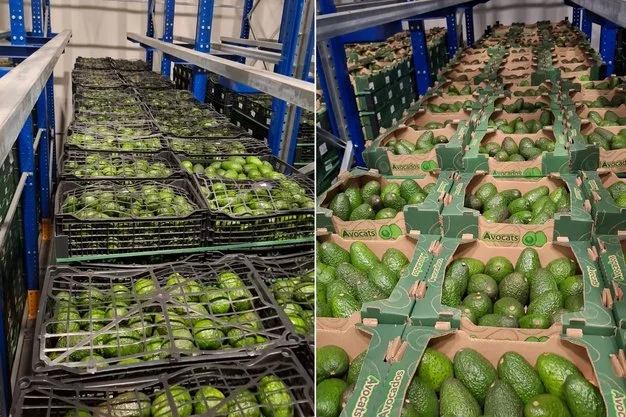
Another documented approach involves hiding drugs within legitimate merchandise. Authorities have reported cases involving agricultural products, manufactured goods, and other commercial cargo. The European Union Drugs Agency has identified concealment within perishable goods as a recurring concern in cocaine trafficking. The use of ordinary commercial products can complicate investigations because customs officials must distinguish suspicious shipments from the enormous volume of legitimate trade. The involvement of legitimate products does not necessarily mean that the businesses producing or exporting them are complicit. A shipment may be deliberately contaminated by a criminal group, or a company may knowingly participate in the operation. Investigators must establish which circumstances apply in each case. The distinction becomes more significant when a trafficking network has connections to an otherwise legitimate business. In those circumstances, the company itself may become part of the criminal operation rather than simply an unwitting vehicle for it.
Trucks, Railways, and Domestic Freight
International shipping is only one part of the journey. Drugs must also move between ports, warehouses, wholesale distributors, and regional markets. Trucks and other domestic transportation networks play an important role in that process. Commercial freight offers criminal organizations access to established transportation infrastructure. However, the existence of a legitimate truck, freight company, or warehouse does not establish criminal involvement. The relevant question is whether the infrastructure has been knowingly or unknowingly exploited to move illicit goods. Once drugs enter a country, investigators may need to trace a shipment across multiple jurisdictions and identify the people responsible for each stage. That can be difficult when transportation, storage, and distribution are handled by different individuals or groups.

Air Freight and Passenger Travel
Air transportation presents a different set of challenges. Commercial aircraft carry both passengers and cargo, and authorities have documented cocaine trafficking through air freight, passenger baggage, and individual couriers. Compared with large maritime shipments, air transport often involves smaller quantities, although individual cases vary considerably. The use of different transportation channels allows trafficking networks to serve different markets and distribute risk across their operations. The methods can also carry serious risks for the people involved. Couriers may face criminal prosecution, exploitation, coercion, and potentially fatal medical complications when drugs are concealed inside the body.

Small Vessels and Maritime Smuggling
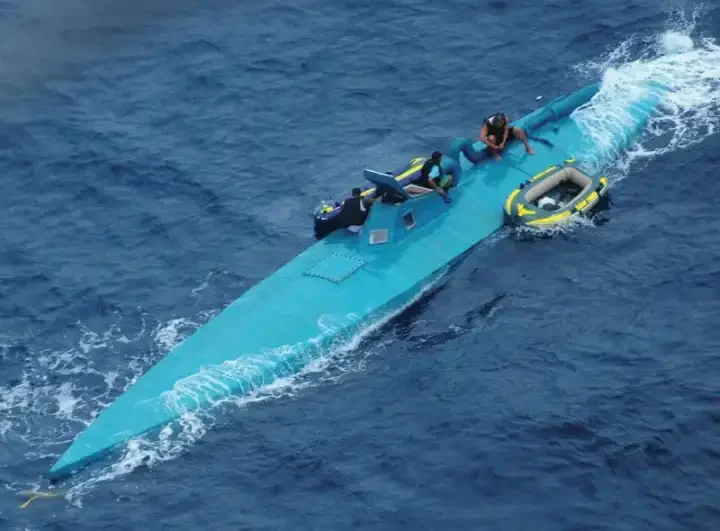
Not all drug shipments travel aboard commercial cargo ships. Authorities have also documented the use of smaller vessels and specialized semi-submersible craft in maritime trafficking. These operations illustrate the range of transportation methods used by criminal organizations. Some networks exploit established commercial trade, while others rely on dedicated vessels and maritime routes outside conventional cargo operations. The US Drug Enforcement Administration has documented maritime seizures involving substantial quantities of cocaine and operations against trafficking organizations using vessels to transport drugs.
The Common Thread
Despite the differences between these methods, the underlying challenge remains similar. Criminal organizations seek access to transportation networks, markets, and intermediaries while attempting to avoid detection. Their methods can range from exploiting a legitimate shipment to using businesses or individuals who knowingly participate in trafficking. For authorities, finding a shipment is only part of the investigation. Understanding who arranged the transportation, who financed it, who controlled the cargo, and who was supposed to receive it can reveal a much larger criminal network. That is what makes the global drug trade difficult to dismantle. Seizing drugs removes an individual shipment from circulation. Identifying the people, relationships, and financial arrangements behind it offers the possibility of disrupting the organization responsible.
Section 3: The People Behind the Network
When authorities seize a shipment of drugs, the person arrested at the scene is not necessarily the person running the operation. In large trafficking cases, the individual transporting the drugs may know very little about the people who financed the shipment, arranged its movement, or intended to sell the product once it arrived. That separation of responsibilities is one of the defining features of organized drug trafficking. A network can involve suppliers, brokers, transportation coordinators, storage operators, wholesalers, and local distributors, each playing a different role. Some participants work directly for a criminal organization, while others operate as independent intermediaries. In certain cases, legitimate businesses and their employees become involved without knowing the full circumstances.
Suppliers and Brokers
At the beginning of the supply chain are the people who produce, manufacture, or obtain the drugs. Their relationships with buyers can extend across national borders, creating a need for intermediaries who connect suppliers with larger distribution networks. Brokers can play an important role in these arrangements. Depending on the organization, they may connect buyers and sellers, negotiate commercial terms, or coordinate transactions between parties who do not deal directly with one another. The existence of an intermediary is not unusual in international commerce. Brokers are common in legitimate industries, including commodities, agriculture, and energy. The difference in a criminal transaction is the illegal nature of the product and the potential use of deception, intimidation, or corruption to complete the deal.

Transportation and Logistics
Moving drugs between countries and distribution markets requires people who can arrange or carry out transportation. Depending on the operation, this may involve couriers, freight handlers, drivers, vessel operators, or other participants. Their level of involvement can vary considerably. Some knowingly participate in trafficking, while others may be bribed, coerced, or unknowingly drawn into an operation. Investigators must distinguish between these circumstances rather than assume that everyone connected to a shipment has the same level of responsibility. This is also where criminal organizations intersect with legitimate commerce. A shipment may pass through several companies and facilities before reaching its destination. Determining who knew what, and when they knew it, can become a significant part of a criminal investigation.
Corruption and Insider Involvement
Access to commercial infrastructure can be valuable to a trafficking organization. In some documented cases, criminal groups have recruited or corrupted people with access to ports, warehouses, transportation companies, or other parts of the supply chain. The World Customs Organization has identified insider threats as a serious vulnerability in international cargo security. An employee with legitimate access to a facility may be in a position to compromise security, which is one reason authorities and shipping companies place importance on employee screening, access controls, and reporting procedures. Not every security breach involves a corrupt employee, however. Criminals may also exploit weaknesses in procedures or take advantage of unauthorized access. Understanding the difference is important for businesses trying to protect their operations without treating every employee or contractor as a potential suspect.

Wholesalers and Local Distributors
International trafficking is only one part of the business. Once drugs reach a destination market, they may pass through regional wholesalers and smaller distributors before reaching consumers. These downstream networks can operate differently from the organizations responsible for international shipments. A group involved in moving large quantities across borders may have limited direct involvement in street-level sales. In other cases, a single organization may control several stages of the distribution chain (vertical integration). The structure varies by drug, geography, and organization. Some networks are relatively hierarchical, with clear leadership and defined responsibilities. Others rely on looser relationships between independent groups that cooperate on particular transactions.
Why the Structure Matters
Looking at the people involved helps explain why a major drug seizure does not necessarily bring down an entire trafficking operation. Removing a courier or confiscating a shipment may interrupt one part of the business without identifying the people who financed the transaction or coordinated the broader network. For investigators, the challenge is to connect the individuals involved and establish their respective roles. That can require examining communications, financial transactions, business relationships, travel records, and evidence gathered across several jurisdictions. It also explains why international cooperation is so important. The people responsible for sourcing a shipment may be in one country, its transportation may pass through several others, and the intended market may be thousands of miles away. The global drug trade is sustained by more than the movement of illegal products. It depends on relationships between people who supply, finance, transport, store, and distribute them. Understanding those relationships is essential to understanding how criminal organizations operate—and why dismantling them often requires far more than seizing drugs at a port or border.
Section 4: From International Shipment to Local Distribution
Getting drugs into a country is only one part of the operation. Once a shipment reaches its destination, the people behind it still have to move the product into the market, find buyers, and collect payment. Depending on the size of the operation, that process can involve several layers of intermediaries before the drugs reach individual consumers. The structure varies considerably between countries and criminal organizations. Some groups maintain control over multiple stages of the supply chain, while others specialize in a particular part of the business and rely on outside contacts to handle the rest.
The Wholesale Market
Large shipments are generally associated with wholesale distribution rather than direct sales to consumers. A shipment may be divided among multiple buyers, transferred between organizations, or sold to distributors operating in different regions. The economics are relatively straightforward. International suppliers and large-scale traffickers operate at a different level of the market from local dealers, with each intermediary potentially adding costs and seeking a profit. The price ultimately paid by a consumer can differ substantially from the price paid further up the supply chain. However, the economics are not simply a matter of buying low and selling high. Participants face the possibility of losing shipments, having money or property seized, being defrauded by business partners, or facing lengthy prison sentences. Violence and intimidation can also create costs that have no equivalent in a legitimate business. The financial incentives can be substantial, but the risks are equally important to understanding why trafficking organizations behave as they do.
Regional Distribution Networks
After drugs enter a country, they may move through regional distribution networks serving multiple cities or states. These networks can involve independent wholesalers, local criminal groups, and smaller distributors. The relationships between these participants are not always permanent. Some organizations cooperate on individual transactions, while others compete for control of particular markets. Alliances can change as leadership shifts, law enforcement pressure increases, or disputes arise over money and territory. This flexibility can make criminal networks difficult to dismantle. An investigation may disrupt one group without eliminating the demand for drugs or the presence of other suppliers willing to enter the market. The result is that enforcement actions can have different effects. Some operations significantly disrupt a network, while others lead to temporary interruptions followed by changes in suppliers or organizational structure.
The Role of Local Markets
Local distribution is where the international drug trade intersects most directly with communities. The people selling drugs at the retail level may have little knowledge of the suppliers or intermediaries responsible for bringing the product into the country. This separation can create a misleading impression that the international and local drug trades are unrelated. In reality, local demand helps sustain the broader market, even when the people at different stages of the supply chain never meet. The effects extend beyond criminal prosecutions. Drug trafficking can contribute to addiction, overdose deaths, violence, financial exploitation, and pressure on public health services. The consequences are often felt most directly by families and communities far removed from the international operations that supplied the drugs.
Why Disrupting One Shipment Is Not Always Enough
A successful seizure can prevent a quantity of drugs from reaching the market, generate evidence, and potentially lead to arrests. But its long-term effect depends on what investigators uncover and whether they can identify the people responsible for the wider operation. If authorities only identify the individuals handling a shipment, the organization behind it may remain intact. If investigators can trace the financing, establish connections between participants, and identify the people controlling the business, they may be able to disrupt a much larger portion of the network. This is why major investigations often focus on more than the drugs themselves. Financial records, communications, business relationships, and evidence gathered in multiple jurisdictions can help establish how an organization operates and who is responsible for its activities. Ultimately, the journey from an international shipment to a local market involves a series of relationships between suppliers, intermediaries, distributors, and consumers. Each stage has its own economics and risks, but all are connected by the demand that sustains the trade. To understand how criminal organizations maintain these networks, it is also necessary to examine what happens to the money they earn. Moving drugs generates revenue, but converting criminal proceeds into usable wealth presents another set of problems.
Section 5: Following the Money
Drug trafficking is ultimately about generating revenue. Moving drugs across borders and distributing them to buyers is only part of the business; criminal organizations must also manage the money those transactions produce. For large trafficking networks, handling the proceeds can be just as complicated as transporting the drugs themselves. The problem is straightforward: substantial criminal earnings can attract attention when they enter the legitimate financial system. Banks, regulators, and law enforcement agencies look for transactions that may indicate money laundering, fraud, or other financial crimes. Criminal organizations therefore face the challenge of using their proceeds while concealing their connection to illegal activity.
What Is Money Laundering?
Money laundering is the process of disguising the criminal origins of money or other assets so that they appear to come from legitimate sources. Although the methods vary, the objective is to make illicit proceeds harder to trace and more difficult for authorities to seize. Drug trafficking is one of the major sources of criminal proceeds examined by financial investigators. The money may cross borders, pass between individuals and businesses, or become entangled with other criminal activity before investigators can establish its origins. It is important to distinguish money laundering from simply moving money. International transfers, cash transactions, and complex corporate structures all have legitimate uses. What makes a transaction criminal is the underlying conduct and the attempt to conceal or disguise illicit proceeds.

Cash and the Problem of Scale
Cash remains relevant to parts of the drug trade, particularly in transactions involving street-level distribution. Large quantities of physical currency, however, create practical problems. Cash must be stored, transported, accounted for, and eventually used without exposing those responsible to unnecessary scrutiny. At the international level, the challenge can become more complicated because different people may may control the drugs, receive payments, and manage the proceeds. The individual collecting money from a buyer may not be the person who ultimately benefits from the transaction. These divisions can make investigations difficult, particularly when the people involved operate across different jurisdictions.
Legitimate Businesses and Criminal Proceeds
Investigators have documented cases in which criminal proceeds have been associated with legitimate businesses, property transactions, and other assets. Businesses can provide ordinary commercial explanations for revenue and expenses, which is one reason financial investigators examine the substance of transactions rather than relying solely on how a payment is described. The existence of a business does not establish money laundering, and many legitimate companies conduct international transactions involving substantial sums. Investigators must look at the available evidence to determine whether a business is engaged in ordinary commercial activity or being used to conceal criminal proceeds. This distinction matters for the wider economy. Criminal exploitation can damage legitimate businesses, expose employees and partners to legal risk, and undermine confidence in financial institutions and commercial markets.
International Financial Networks
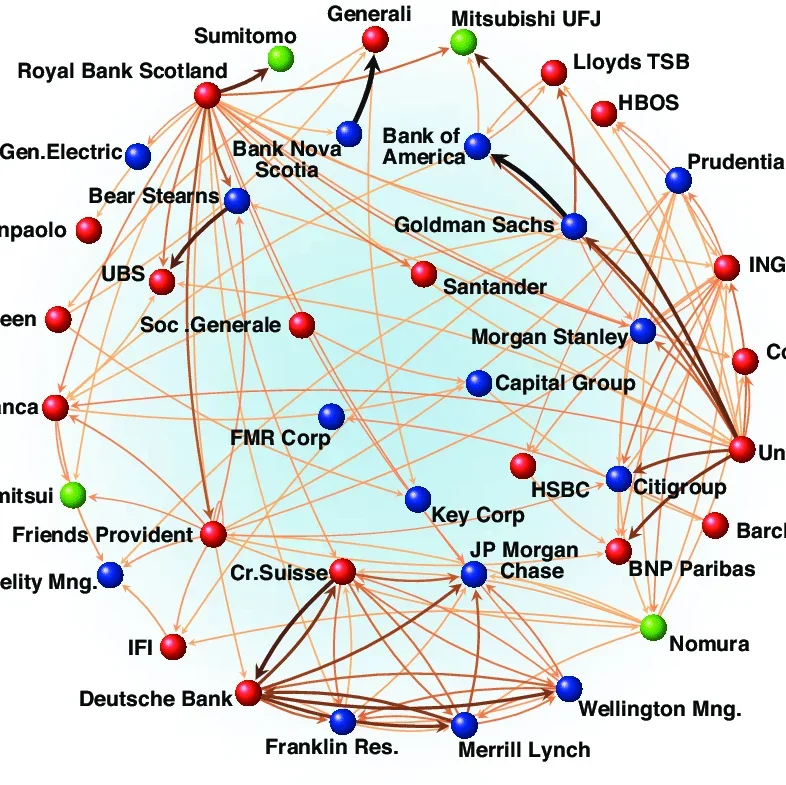
Drug trafficking frequently crosses national borders, and its financial dimension can do the same. Payments, assets, and people connected to an investigation may be located in different countries, each with its own laws and procedures. This creates challenges for investigators seeking financial records, tracing assets, or obtaining evidence held abroad. Cooperation between law enforcement agencies, financial intelligence units, regulators, and financial institutions can be essential to establishing how money moved and who controlled it. International cooperation also helps investigators identify connections that might not be apparent when transactions are examined individually. A payment that appears unremarkable in isolation may take on a different significance when considered alongside other evidence.
Following the Money to the Organization
Financial investigations can reveal aspects of a trafficking operation that a drug seizure alone cannot. Records may help establish relationships between participants, identify sources of financing, connect individuals to assets, and provide evidence of who benefited from an operation. Authorities may also seek to restrain or confiscate assets connected to criminal activity, subject to applicable legal procedures. Removing the financial resources of a trafficking organization can limit its ability to continue operating, although the effectiveness of these measures depends on the circumstances of the case. The challenge is that criminal proceeds can be difficult to trace, particularly when transactions span multiple jurisdictions or involve complex ownership arrangements. Investigators must establish the connection between the funds and the underlying criminal conduct. The broader lesson is that the drug trade is not just a transportation problem. It is also a financial one. Drugs must reach buyers, payments must be collected, and the resulting proceeds must be managed. Examining those financial relationships can help authorities understand the organization behind the shipments rather than focusing exclusively on the people caught moving them. That brings us to the other side of the equation: what governments and businesses can do to identify suspicious activity, protect legitimate commerce, and disrupt the networks responsible.
Section 6: How Authorities Fight Back
Stopping the international drug trade is a difficult task. Governments must prevent criminal organizations from exploiting transportation networks while allowing legitimate commerce to continue. Ports, airports, and border crossings handle enormous volumes of traffic every day, and examining every shipment in detail would cause significant delays and expense. As a result, drug interdiction involves more than searching cargo. Authorities rely on intelligence, risk assessment, cooperation between agencies, financial investigations, and information supplied by businesses and the public.
Screening Cargo and Identifying Risk
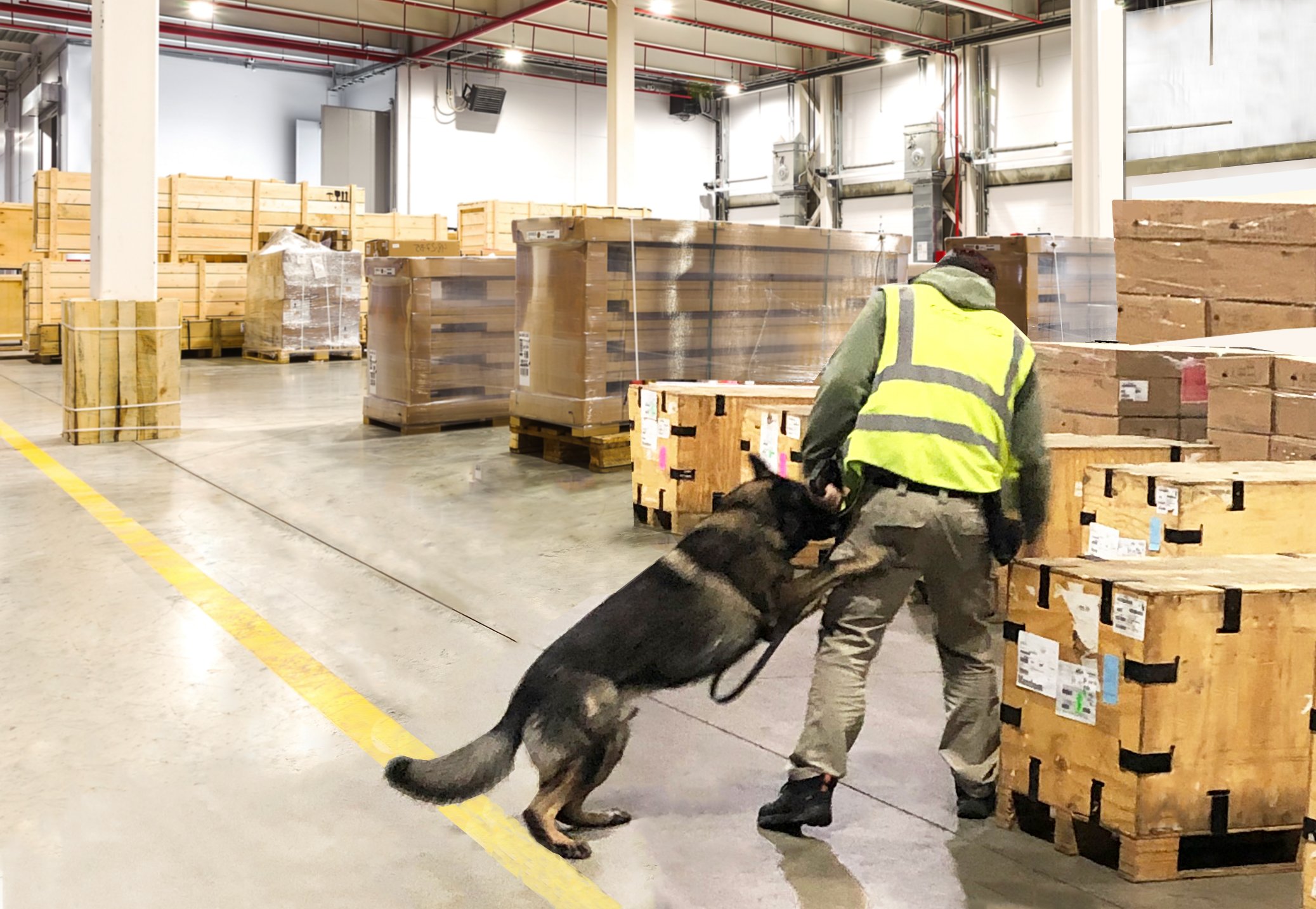
Customs agencies use a combination of documentation reviews, intelligence, physical inspections, and screening technology to identify potentially suspicious shipments. The objective is to direct attention toward cargo that warrants further examination rather than attempting to inspect every shipment in the same way. Shipping documentation and cargo information can help investigators identify inconsistencies or connections that merit additional scrutiny. When a shipment is selected for inspection, authorities may use specialized equipment, detection methods, and physical examination to determine whether it contains prohibited goods. Technology plays an important role, but it is not a complete solution. Screening equipment has limitations, and the effectiveness of an inspection depends on the circumstances, the information available, and the ability of trained personnel to interpret what they find. There is also a practical trade-off. More intensive inspections can improve the chances of detecting illicit cargo, but they require personnel, equipment, and time. Governments must balance security requirements with the economic importance of keeping international trade moving.
Cooperation Between Countries
Drug trafficking networks frequently operate across national borders. The country where drugs originate may be different from the country through which they travel, and both may be separate from the intended destination. No single government necessarily has access to all the information needed to understand an entire operation. Investigators may need evidence from foreign customs agencies, police departments, shipping companies, financial institutions, and other organizations. International cooperation allows authorities to combine information, coordinate investigations, and identify connections between seizures that might otherwise appear unrelated. Operation TIN CAN, conducted through cooperation involving the World Customs Organization and the United Nations Office on Drugs and Crime, illustrates the importance of this approach. The operation brought together authorities from 58 countries to address cocaine trafficking through maritime container shipments and associated supply-chain vulnerabilities. The broader point is that international trafficking requires an international response. A seizure in one country can provide evidence that helps investigators uncover a network operating across several others.
Protecting the Supply Chain From Insider Threats
Not every security breach results from a failure of technology or an inadequate inspection. In some cases, criminal organizations exploit people with legitimate access to commercial facilities or transportation systems. For ports, shipping companies, and logistics providers, this makes internal security an important part of drug interdiction. Employee screening, access controls, incident reporting, and clear procedures for handling suspicious activity can help reduce vulnerabilities. Businesses also need ways to report potential criminal activity without disrupting ordinary operations or making unsupported accusations against employees and customers. The challenge is to protect legitimate commerce while recognizing that criminal organizations may attempt to exploit the people and systems that keep it running.
Following the Money
Financial investigations provide another way to target trafficking organizations. While a shipment may be difficult to connect to the people controlling a criminal enterprise, financial records can sometimes reveal relationships between participants, businesses, and assets. Financial institutions have obligations to identify and report certain suspicious activity under applicable laws and regulations. Law enforcement agencies and financial intelligence units can use information from these reports, alongside other evidence, to investigate potential money laundering and related offenses. Financial investigations can also support asset seizures and forfeiture proceedings where legally justified. Removing assets associated with criminal activity may limit an organization's resources, although the results vary from case to case. Importantly, a suspicious transaction is not proof of a crime. Financial investigations require evidence, and legitimate international commerce should not be treated as criminal simply because it involves large payments or complex business relationships.

Why Enforcement Remains Difficult
Despite advances in technology and international cooperation, no single enforcement strategy can eliminate the global drug trade. Criminal organizations can change their relationships, transportation arrangements, and operating structures. Meanwhile, the volume of legitimate trade makes comprehensive inspection impractical. Even when authorities seize drugs and arrest suspects, the wider organization may continue operating if the people controlling its finances and distribution networks remain untouched. There is also the question of demand. As long as customers are willing to buy illegal drugs and criminal organizations can profit from supplying them, enforcement agencies face pressure to adapt to changing markets and methods. That does not make enforcement ineffective. Seizures can prevent drugs from reaching consumers, investigations can dismantle criminal networks, and financial measures can restrict the resources available to traffickers. The challenge is sustaining those efforts and measuring their impact beyond the immediate results of an operation. Ultimately, securing the global supply chain requires more than finding concealed drugs. It requires identifying the people and organizations responsible, protecting legitimate businesses from exploitation, and coordinating action across the transportation, financial, and legal systems that criminal networks depend on.
Section 7: The Challenge of Securing Global Commerce
Global commerce depends on speed, efficiency, and trust. Businesses need to move products across borders without unnecessary delays, shipping companies need predictable schedules, and consumers expect goods to arrive on time. The system works because millions of transactions take place every day without requiring every shipment to be treated as a potential criminal investigation. That creates a difficult balancing act for governments. The same transportation networks that support legitimate trade can be exploited by criminal organizations, but securing those networks without disrupting commerce is no simple task.
The Cost of Security
More intensive cargo inspections require additional personnel, equipment, and time. Delays at ports and border crossings can affect shipping schedules, increase costs for importers and exporters, and create problems for businesses that depend on reliable deliveries. These costs are not limited to large corporations. Smaller importers, agricultural producers, manufacturers, and retailers can all feel the effects of delays and disruptions. At the same time, inadequate security creates its own economic consequences. Businesses may suffer reputational damage when their supply chains are exploited, while governments must devote resources to investigating trafficking and addressing its effects on communities. The challenge is not to choose between security and commerce. It is to develop systems that protect both.
Criminal Networks Adapt
Drug trafficking organizations operate in an environment where enforcement measures, market conditions, and relationships can change. When authorities disrupt one part of a network, the effects may extend beyond a single shipment. Investigations can expose suppliers, financial relationships, and distribution arrangements that support a wider operation. But disruption does not always mean elimination. Other participants may continue the business, competing groups may enter the market, or an organization may reorganize its operations. This is one reason seizure totals alone provide an incomplete picture of success. Large seizures demonstrate that authorities have intercepted significant quantities of drugs, but they do not automatically establish how much trafficking has been prevented over the long term. A fuller assessment considers whether investigations have dismantled organizations, restricted their finances, reduced their capacity to operate, and contributed to measurable improvements in public safety.
The Responsibility of Legitimate Business
Shipping companies, freight forwarders, port operators, financial institutions, and other businesses have an important role in protecting the systems on which they depend. That responsibility does not mean every company should act as a law enforcement agency. Rather, businesses need appropriate safeguards, clear reporting procedures, and effective cooperation with authorities when credible concerns arise. Companies also need to recognize that being used by a criminal organization does not necessarily mean they have knowingly participated in its activities. A business whose cargo has been compromised may itself be a victim. Maintaining that distinction is important. Effective supply-chain security should focus on evidence, accountability, and prevention rather than assuming wrongdoing simply because a company or shipment has become part of an investigation.
A Global Problem Requires a Coordinated Response
The international drug trade crosses borders, financial systems, and commercial sectors. Its disruption therefore requires cooperation between governments, law enforcement agencies, businesses, and financial institutions. No single inspection technology, enforcement operation, or regulation can address every vulnerability. Progress depends on combining intelligence, sound investigative work, financial oversight, secure business practices, and cooperation between countries. There is also a broader public policy question. Enforcement can disrupt supply, but the consequences of drug use involve public health, addiction treatment, prevention, and community safety as well. Addressing trafficking and reducing the harm associated with drug consumption are related challenges, even though they require different approaches. The central issue is that global trade cannot function without moving goods efficiently, and criminal organizations understand the opportunities that efficiency creates. The objective is to make commercial systems harder to exploit without undermining the legitimate economic activity they were designed to support.
Conclusion: The Business Hidden in Plain Sight
The global drug trade is often discussed in terms of cartels, arrests, and the quantities of drugs seized by authorities. Those stories are important, but they represent only part of a much larger operation. Behind every major trafficking network is a system of suppliers, intermediaries, transportation arrangements, distribution channels, and financial relationships. These networks operate across borders and, in some cases, exploit the same commercial infrastructure that businesses depend on to move legitimate goods around the world. That is what makes the problem so difficult to solve. Criminal organizations do not need to replace the global supply chain with their own infrastructure. They can exploit existing systems, take advantage of vulnerabilities, and use intermediaries to connect different parts of an operation. The people responsible for these activities may never all meet in the same place. A supplier, transporter, financial intermediary, and distributor can operate in different countries while contributing to the same criminal enterprise. Finding a shipment is one challenge. Establishing who organized it, who financed it, and who ultimately benefited can be a much larger undertaking. For authorities, that means successful enforcement requires more than intercepting drugs at a border. Investigations must also follow financial relationships, identify the people controlling the operation, and disrupt the networks that allow the business to continue. Cooperation between countries and protection of legitimate supply chains are essential parts of that effort. There is no simple solution. Global commerce is too large and interconnected to inspect every shipment, and criminal organizations continue to present challenges for law enforcement. But understanding how these networks operate provides a better starting point for addressing them. The drug trade is not separate from the modern global economy. It exploits parts of that economy to move products, connect markets, and generate revenue. Much of the activity takes place beyond public view, within systems most people encounter every day without giving them a second thought. Sometimes, the most important part of understanding organized crime is looking beyond the criminals themselves and examining the systems that allow their businesses to function.
Works Cited
1) Drug Enforcement Administration. “DEA on the Sea.” DEA Museum, https://museum.dea.gov/exhibits/online-exhibits/dea-air-land-and-sea/dea-sea. Accessed 14 Oct. 2026.
2) European Union Drugs Agency. “Cocaine – the Current Situation in Europe.” European Drug Report 2024, https://www.euda.europa.eu/publications/european-drug-report/2024/cocaine_en. Accessed 14 Oct. 2026.
3) European Union Drugs Agency. “Cocaine Trafficking to Europe.” EUDA, 31 May 2016, https://www.euda.europa.eu/publications/pods/cocaine-trafficking-to-europe_en. Accessed 14 Oct. 2026.
4) European Union Drugs Agency. “Europe and the Global Cocaine Trade.” EU Drug Markets, https://www.euda.europa.eu/publications/eu-drug-markets/cocaine/europe-and-global-cocaine-trade_en. Accessed 14 Oct. 2026.
5) Organisation for Economic Co-operation and Development. “How Drug Traffickers Exploit Modern Trade Solutions.” OECD Policy Briefs, no. 53, 16 Mar. 2026, https://doi.org/10.1787/00ab8edd-en.
6) United Nations Office on Drugs and Crime. World Drug Report 2025. United Nations, 2025, https://www.unodc.org/unodc/en/data-and-analysis/world-drug-report-2025.html. Accessed 14 Oct. 2026.
7) World Customs Organization. “98 Tonnes of Cocaine Seized in WCO-UNODC Operation TIN CAN Tackling Organized Crime and Insider Threats Exploiting the Supply Chain.” World Customs Organization, 3 Apr. 2023, https://www.wcoomd.org/en/media/newsroom/2023/april/98-tonnes-of-cocaine-seized-in-wco-unodc-operation-tin-can-tackling-organized-crime.aspx. Accessed 14 Oct. 2026.
8) World Customs Organization. “ABF/WCO Supply Chain Integrity Project.” World Customs Organization, https://www.wcoomd.org/en/topics/enforcement-and-compliance/activities-and-programmes/abf-wco-supply-chain-integrity-project.aspx. Accessed 14 Oct. 2026.
9) World Customs Organization. “UNODC-WCO Passenger and Cargo Control Programme (PCCP).” World Customs Organization, https://www.wcoomd.org/en/topics/enforcement-and-compliance/activities-and-programmes/unodc_wco_container_control_programme.aspx. Accessed 14 Oct. 2026.